Why does car paint turn yellow?
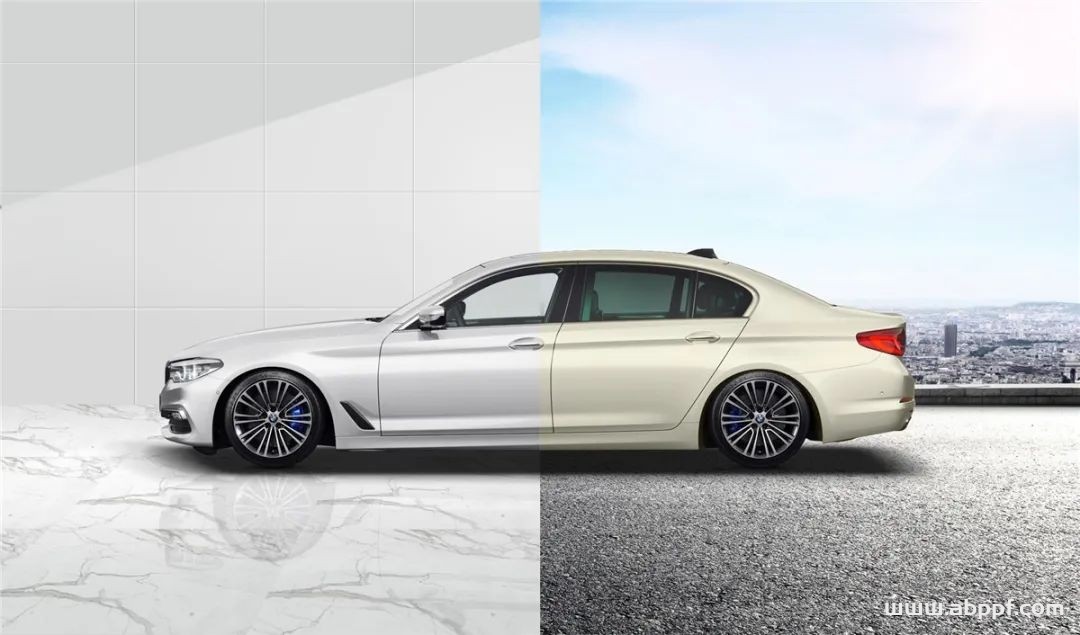
When I heard my friends say that I like to mention a new car, I have not yet come out of this joyful atmosphere, and I have to worry that my car will be destroyed by the sun and rain outside, especially the white car, which will soon cease to exist.
So, why does car paint turn yellow? How long does it usually take to turn yellow? What should I do if the paint turns yellow and old?
Why does car paint turn yellow?
1. The air oxidizes and turns yellow
The original paint surface is divided into five layers, from the inside to the outside, which are phosphate film layer, electrophoretic paint layer, middle coat, metal base color paint layer and varnish layer.
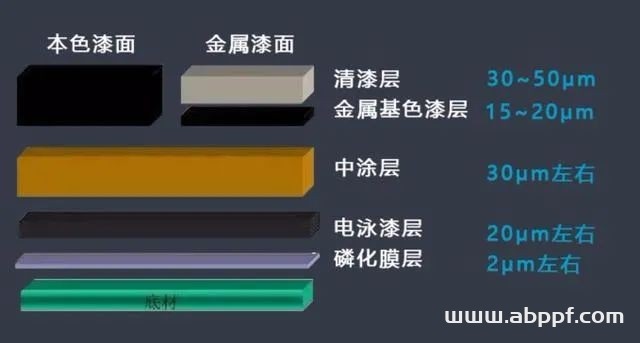
The outermost layer of varnish is in direct contact with the outside air. Although it can improve the gloss of the surface of the paint and prevent foreign objects from entering the inside of the paint layer, its main component is epoxy resin, which is relatively easy to oxidize and deteriorate, as long as it is in contact with the air, it will undergo oxidation reaction, and it will turn yellow when it is oxidized.
2. Yellowing of the sun's ultraviolet rays
In addition to contact with the air, long-term "sunbathing" in the sun, ultraviolet rays can also cause oxidation, or yellowing, of the varnish. Because there is a chemical called benzene ring in the epoxy resin, which is a clearcoat ingredient, it will oxidize to quinone, so it can also cause the paint to turn yellow.
What should I do if the paint turns yellow?
Prolonged exposure, acid rain, bird droppings, and poor air are all possible to turn white cars yellow and dark cars old in advance. And what will you do if these external factors that cause the paint to turn yellow are beyond your control?
1. Polishing to remove the oxidized part
The most common and traditional treatments for lacquer surfaces are: one is polishing and the other is waxing. It is also known as "addition and subtraction" in the industry.
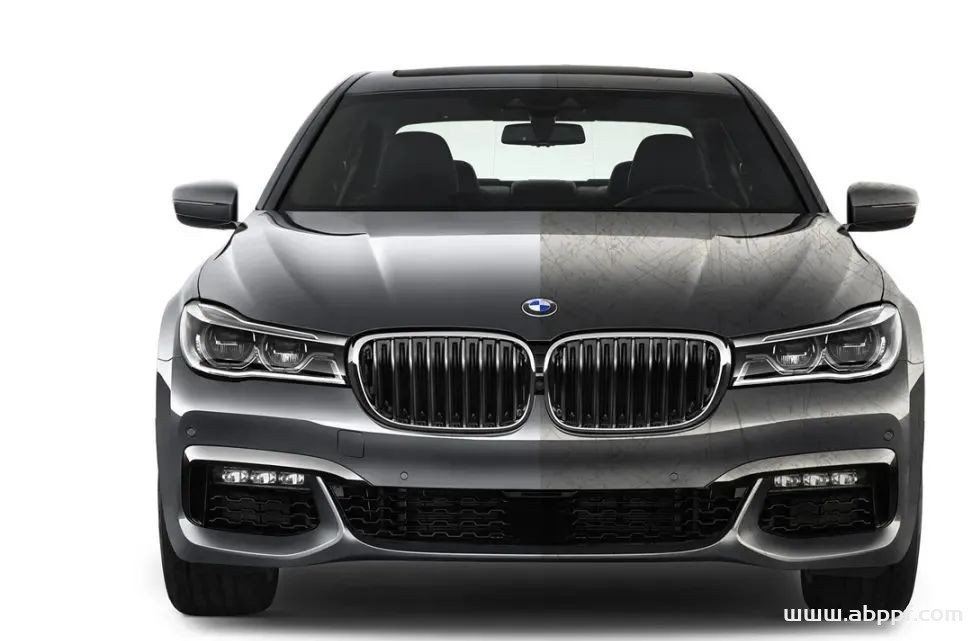
Polishing is to throw away a little bit of the part of the outermost layer that is oxidized in contact with the air, that is, subtraction. It is very happy to change from yellowing back to white, but it should be noted that it must be done by a professional person, so as to avoid throwing your head and throwing away the paint. However, relying on polishing to solve yellowing is the act of drinking water to quench thirst, and each polishing will damage the paint surface one more time, and the original paint will only get thinner and thinner in the long run.
2. Regular waxing and maintenance to delay oxidation
In order to prevent the outermost layer of varnish from being oxidized, apply a layer of wax to the paint surface and let the air deoxidize the wax. However, the sun's ultraviolet rays still have a lot of penetration, and in the rainy season, the layer of wax on the paint surface will be quickly washed off, and it is easy to wash off when washing the car. Therefore, relying on waxing is a time-consuming, labor-intensive method, and the effect is not obvious.
It's really polished, but I can't throw it, and what should I do if it turns yellow? The worst way is to repaint.
However, even if you choose the best material and go to the 4S store to spray it, the color of the spray will still have a relatively large color difference, which looks awkward.
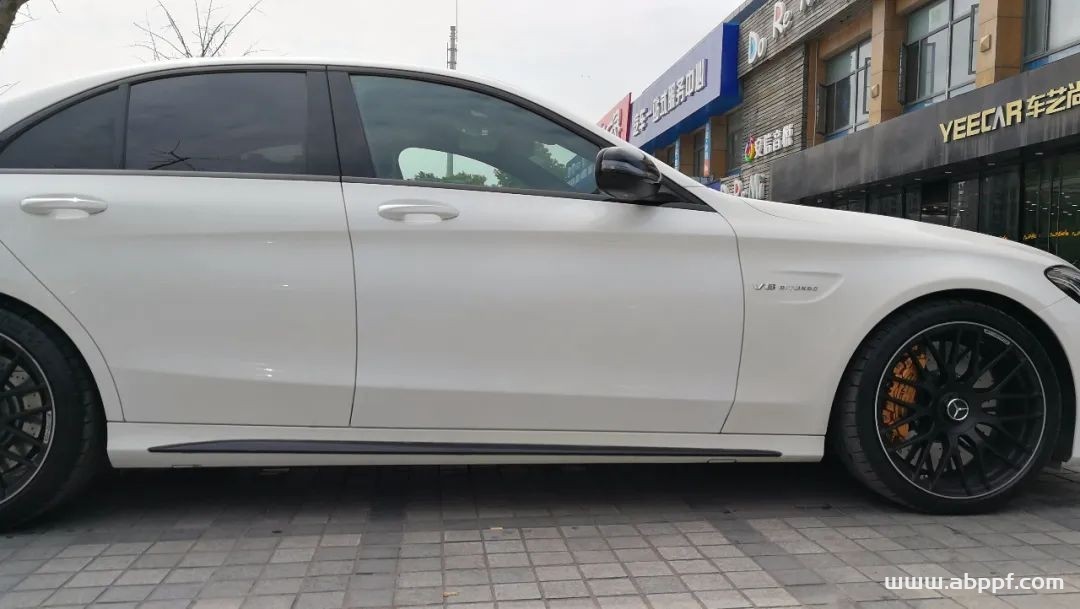
The color of the whole vehicle is obviously different after touch-up
If the touch-up paint technology is not at home, there will be peeling in the later stage.
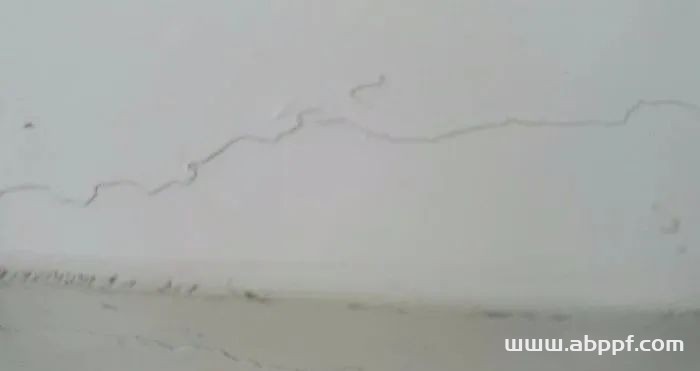
Peeling after touch-up
Therefore, in order to protect the original paint from yellowing and oxidation, it is guaranteed that when the next car is replaced, it can remain 9 percent new, instead of 5 percent new, and the selling price can be sold for tens of thousands more. The choice of car owner for the maintenance of the car paint is very important.
Send Inquiry
 Language