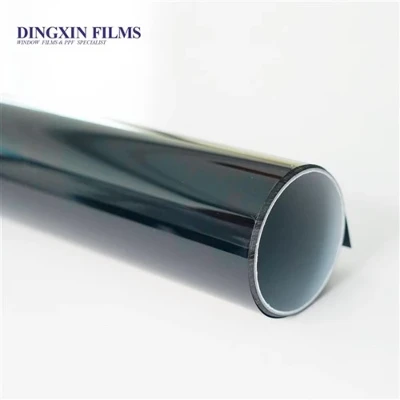
In the automotive customization industry, color change films have become a popular solution for vehicle owners seeking aesthetics and protection. Two dominant materials-Thermoplastic Polyurethane (TPU) and Polyvinyl Chloride (PVC)-are widely used, but they differ significantly in performance, durability, and application. This article explores their distinctions to guide informed decisions.
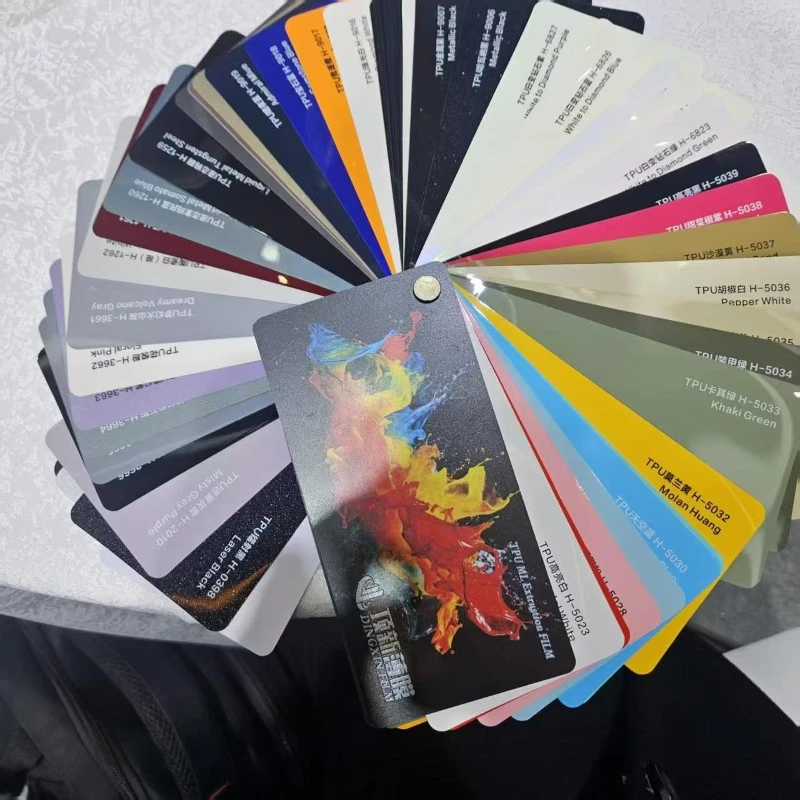
1. Material Composition
- TPU (Thermoplastic Polyurethane):
TPU is a high-performance polymer known for its elasticity, abrasion resistance, and self-healing properties. Its molecular structure combines rigid and flexible segments, making it highly adaptable to temperature changes and mechanical stress.
- PVC (Polyvinyl Chloride):
PVC is a rigid plastic softened by plasticizers. While cost-effective, it lacks long-term flexibility and is prone to degradation from UV exposure and environmental factors.
2. Performance Comparison
| Feature | TPU Film | PVC Film |
|---|---|---|
| Durability | 5-7 years (with UV resistance) | 1-3 years (prone to cracking/fading) |
| Flexibility | Superior elasticity, conforms to curves | Stiffer, may wrinkle on complex surfaces |
| Self-Healing | Minor scratches disappear with heat | No self-healing capability |
| UV Resistance | Anti-yellowing, retains gloss | May yellow or fade over time |
| Temperature Tolerance | -40°C to 90°C (stable performance) | -20°C to 60°C (risk of brittleness) |
| Environmental Impact | Recyclable, low VOC emissions | Contains plasticizers (potential pollution) |
3. Cost and Value
- Initial Cost:
PVC films are 30-50% cheaper than TPU, making them attractive for short-term projects or budget-conscious users.
- Long-Term Value:
TPU's extended lifespan and reduced maintenance needs justify its higher upfront cost. Frequent PVC replacements increase long-term expenses.
4. Application Scenarios
- TPU Recommended For:
Luxury/premium vehicles requiring lasting protection
Harsh climates (extreme heat, cold, or UV exposure)
Owners prioritizing scratch resistance and gloss retention
- PVC Suitable For:
Temporary promotions or seasonal designs
Flat or mildly curved surfaces (e.g., commercial vans)
Low-budget projects with shorter-term needs
5. Industry Trends
As sustainability and durability gain prominence, TPU adoption is rising globally. Major brands now offer eco-friendly TPU variants with bio-based materials, aligning with automotive ESG goals. Meanwhile, PVC remains relevant in emerging markets due to affordability but faces regulatory scrutiny over plasticizer content.
Conclusion
While PVC films serve short-term or cost-sensitive applications, TPU dominates the premium segment with unmatched resilience and environmental advantages. For vehicle owners seeking a balance between aesthetics, protection, and longevity, TPU represents the future of automotive wraps. Always consult certified installers and verify material certifications (e.g., ASTM, REACH) to ensure optimal results.