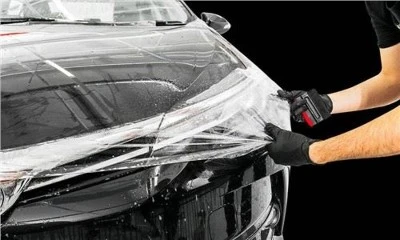
Paint Protection Film (PPF) is widely recognized as an effective way to shield a vehicle's paint from scratches, rock chips, and environmental damage. However, some car owners have concerns about whether PPF could negatively impact the paint underneath. When properly installed and maintained, high-quality PPF should not harm a car's paint, but there are certain factors that can lead to potential issues. Here's an in-depth look at the possible negative effects and how to avoid them.
1. Adhesive Residue After Removal
One of the most common concerns is whether PPF will leave behind adhesive residue when removed. High-quality films use advanced adhesives designed to be paint-safe, meaning they should not damage the surface or leave sticky residue. However, if the film is left on for too long-beyond its recommended lifespan-it may become more difficult to remove cleanly.
-
How to Avoid It:
Use high-quality PPF with non-damaging adhesives.
Remove the film within its recommended lifespan (typically 5-10 years).
Have professionals remove the film using proper techniques.
2. Uneven Fading or Discoloration
PPF provides excellent UV protection, which helps prevent paint fading. However, if only certain parts of the vehicle are covered with PPF while others remain exposed, uneven fading may occur over time. The paint under the PPF stays vibrant, while the unprotected areas may oxidize and fade faster due to prolonged sun exposure.
-
How to Avoid It:
Apply PPF to the entire vehicle or at least ensure even exposure to sunlight.
Park in shaded areas or use ceramic coatings on non-PPF areas for added UV protection.
3. Paint Damage During Improper Removal
If PPF is not removed correctly, there is a risk of peeling off some of the car's clear coat or even the paint itself. This usually happens when the film is removed too aggressively or if the paint was not in good condition before installation (e.g., repainted or poorly prepped surfaces).
-
How to Avoid It:
Have professionals handle the removal process, especially if the film has been on for many years.
Use proper techniques, such as heating the film slightly to soften the adhesive before peeling it off gently.
Avoid installing PPF on repainted surfaces that have not fully cured.
4. Yellowing or Bubbling Over Time
Lower-quality or outdated PPFs may develop a yellowish tint due to prolonged exposure to UV rays. Additionally, improper installation can lead to bubbles or lifting edges, which can trap dirt and moisture underneath, leading to an unsightly appearance.
-
How to Avoid It:
Invest in high-quality, UV-resistant PPF from reputable brands.
Choose a professional installer with experience in applying PPF smoothly and seamlessly.
Regularly inspect the film and address any lifting edges before they worsen.
5. Limited Self-Healing Capability in Some Films
While modern self-healing PPFs can repair minor scratches with heat exposure, older or lower-grade films may lack this feature. This means that once scratched, the damage remains visible, reducing the protective film's effectiveness and aesthetics.
-
How to Avoid It:
Opt for self-healing PPF for better long-term appearance and durability.
Avoid harsh cleaning methods that may cause unnecessary scratches.
Conclusion
When applied and maintained correctly, PPF does not negatively affect a vehicle's paint-in fact, it helps protect and preserve it. However, issues like adhesive residue, uneven fading, or damage during removal can arise if low-quality materials are used or if the film is improperly handled. Choosing a premium PPF, having it professionally installed, and following proper maintenance guidelines will ensure that your car's paint remains in pristine condition for years to come.