
When it comes to protecting your vehicle's paint, both self-healing and standard films serve as effective barriers against scratches, chips, and environmental contaminants. However, their technological differences can have a significant impact on durability, maintenance, and overall performance. Here's a closer look at how self-healing films differ from standard films.
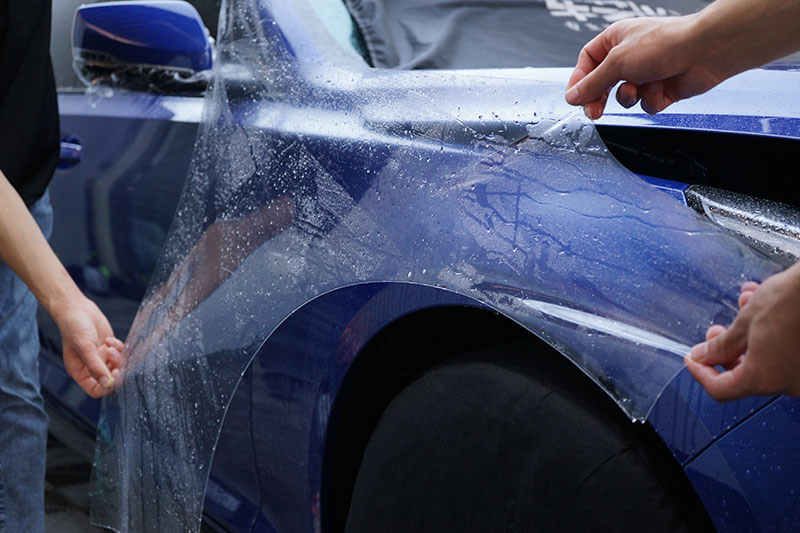
1. Self-Healing Technology
Self-healing films are engineered with advanced polymers that can repair minor scratches and swirl marks over time. When exposed to heat-either from the sun or warm water-the film's surface softens just enough to allow minor abrasions to "heal" themselves. This dynamic property not only preserves the film's appearance but also extends its lifespan by minimizing visible damage.
2. Standard Films
Standard films, while offering solid protection against physical damage and chemical contaminants, lack the self-healing properties of their advanced counterparts. Once a scratch or minor damage occurs on a standard film, it typically remains visible unless the entire film is replaced. This means that while standard films are effective at shielding your vehicle, they may require more frequent maintenance or replacement to maintain a pristine appearance.
3. Maintenance and Longevity
- Self-Healing Films: Due to their ability to recover from minor damages, self-healing films require less intensive maintenance. They help maintain a smooth, clear surface over time, reducing the need for frequent touch-ups. This not only saves time but also contributes to a longer overall lifespan for the protective layer.
- Standard Films: While standard films are robust in protecting against major hazards like rock chips or road debris, they can show signs of wear more prominently. Once damaged, standard films might need to be replaced sooner to restore the vehicle's flawless finish.
4. Cost Considerations
Generally, self-healing films come at a higher price point than standard films due to the advanced technology involved in their manufacturing. However, the long-term benefits-such as extended durability and lower maintenance costs-often justify the initial investment. For those seeking maximum longevity and a consistently pristine appearance, the extra expense can be worthwhile.
5. Installation and Aesthetics
Both self-healing and standard films are designed to be nearly invisible once applied, ensuring that the vehicle's original aesthetics are preserved. Professional installation is recommended for both types to ensure a seamless finish. However, self-healing films might require a slightly more nuanced application process to fully leverage their dynamic properties, emphasizing the importance of choosing experienced installers.
Conclusion
In summary, the primary difference between self-healing and standard films lies in their ability to repair minor damages automatically. Self-healing films offer enhanced longevity and reduced maintenance through their innovative, heat-activated repair mechanism, making them an excellent choice for those who prioritize a long-lasting, flawless finish. Standard films, while providing strong protection, might show wear more visibly and require more regular upkeep. Your choice between the two will ultimately depend on your budget, maintenance preferences, and the level of protection you desire for your vehicle.


