When it comes to protecting your car's paint, two popular options are Paint Protection Film (PPF) and ceramic coating. While both offer protection, they serve different purposes.
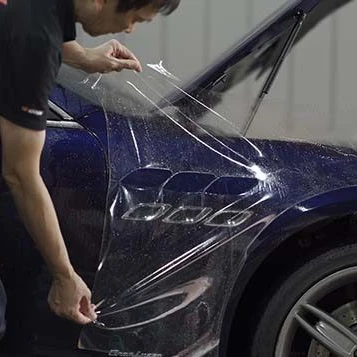
1. What is PPF?
PPF is a transparent, self-healing polyurethane film applied to the car's surface.
- Protection: Shields against rock chips, scratches, and minor impacts.
- Self-Healing: Can repair light scratches with heat.
- Appearance: Available in glossy or matte finishes without altering the original paint.
- Durability: Lasts 5-10 years, depending on quality and maintenance.
2. What is Ceramic Coating?
Ceramic coating is a liquid polymer that chemically bonds with the paint.
- Protection: Repels water, dirt, and UV rays but does not prevent physical damage.
- Hydrophobic Effect: Enhances water beading and makes cleaning easier.
- Gloss Enhancement: Adds a deep, shiny finish to the paint.
- Durability: Lasts 2-5 years with proper care.
3. Key Differences
| Feature | PPF | Ceramic Coating |
|---|---|---|
| Scratch/Chip Protection | ✅ Yes | ❌ No |
| Self-Healing | ✅ Yes | ❌ No |
| Hydrophobic Effect | ⚠️ Moderate | ✅ Excellent |
| Gloss Enhancement | ⚠️ Slight | ✅ Strong |
| Durability | ✅ 5-10 years | ✅ 2-5 years |
| Cost | 💰 Higher | 💰 Lower |
4. Which One Should You Choose?
- For maximum protection: PPF is the best choice, especially for high-impact areas like bumpers and hoods.
- For easier cleaning & shine: Ceramic coating is great for maintaining a glossy, hydrophobic surface.
- For ultimate protection: Use both! PPF for impact resistance + ceramic coating for hydrophobic properties.
Conclusion
PPF and ceramic coating complement each other rather than compete. If you want full protection, consider combining both for the best results!