
As an important barrier to protect the paint surface of the car, the performance stability of the car ppf is directly related to the lasting beauty of the vehicle's appearance. However, with the passage of time, the yellowing of the car ppf has become a concern for car owners. So, what factors can cause yellowing of car ppf? Why does even the TPU ppf turn yellow?
Yellowing of car ppfs is a complex process that involves the combined action of multiple factors. First of all, the chemical structure of the coating material itself is the basis for determining its yellowing resistance. Secondly, external environmental factors will also cause the yellowing of the car paint protection film.
1. The yellowing of the car coat may be caused by a variety of environmental factors
Ultraviolet (UV) radiation: Prolonged exposure to sunlight can damage the chemical structure of the film, resulting in a yellowish color.
Environmental pollution: Acid rain, industrial pollutants and other chemical vapors can penetrate the membrane and cause chemical reactions, resulting in yellowing.
In addition, the quality of car clothing products on the market is uneven, and various chemical or mechanical impurities that may be mixed in the production and processing process will also reduce its stability, which in turn will cause yellowing.
2.TPU (thermoplastic polyurethane)
TPU (thermoplastic polyurethane) is also one of the important substrates for car coatings because of its excellent elasticity, abrasion resistance and transparency, and we have also shared in previous articles that not all TPU has yellowing resistance, according to its molecular structureIt is mainly divided into two categories: aromatic TPU and aliphatic TPU.
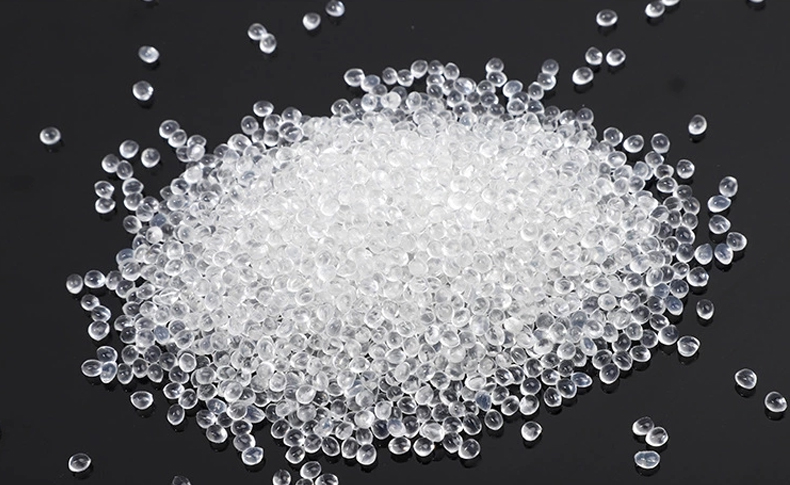
The structure of aromatic TPU contains a benzene ring, which is susceptible to oxidation under the influence of ultraviolet rays, resulting in irreversible yellowing. In contrast, aliphatic TPU does not contain benzene rings and has a tighter molecular arrangement, higher chemical stability and weather resistance. In particular, when aliphatic TPU is combined with specific additives such as UV stabilizers and antioxidants, its yellowing resistance is significantly improved.
3.Aromatic TPU
This type of TPU is less costly, but its main disadvantage is its weaker UV resistance. Aromatic compounds are prone to chemical reactions when exposed to ultraviolet light, resulting in yellowing of the material. Therefore, although the initial transparency is high, it is prone to yellowing after long-term exposure to the external environment.

4.Aliphatic TPU
Compared to aromatic TPU, aliphatic TPU has significant UV resistance properties. Its chemical structure is stable and does not easily react with ultraviolet light, thus greatly reducing the risk of yellowing. Although more costly, this material is a better choice for applications that require high transparency and aesthetics over time, such as automotive paint protection.
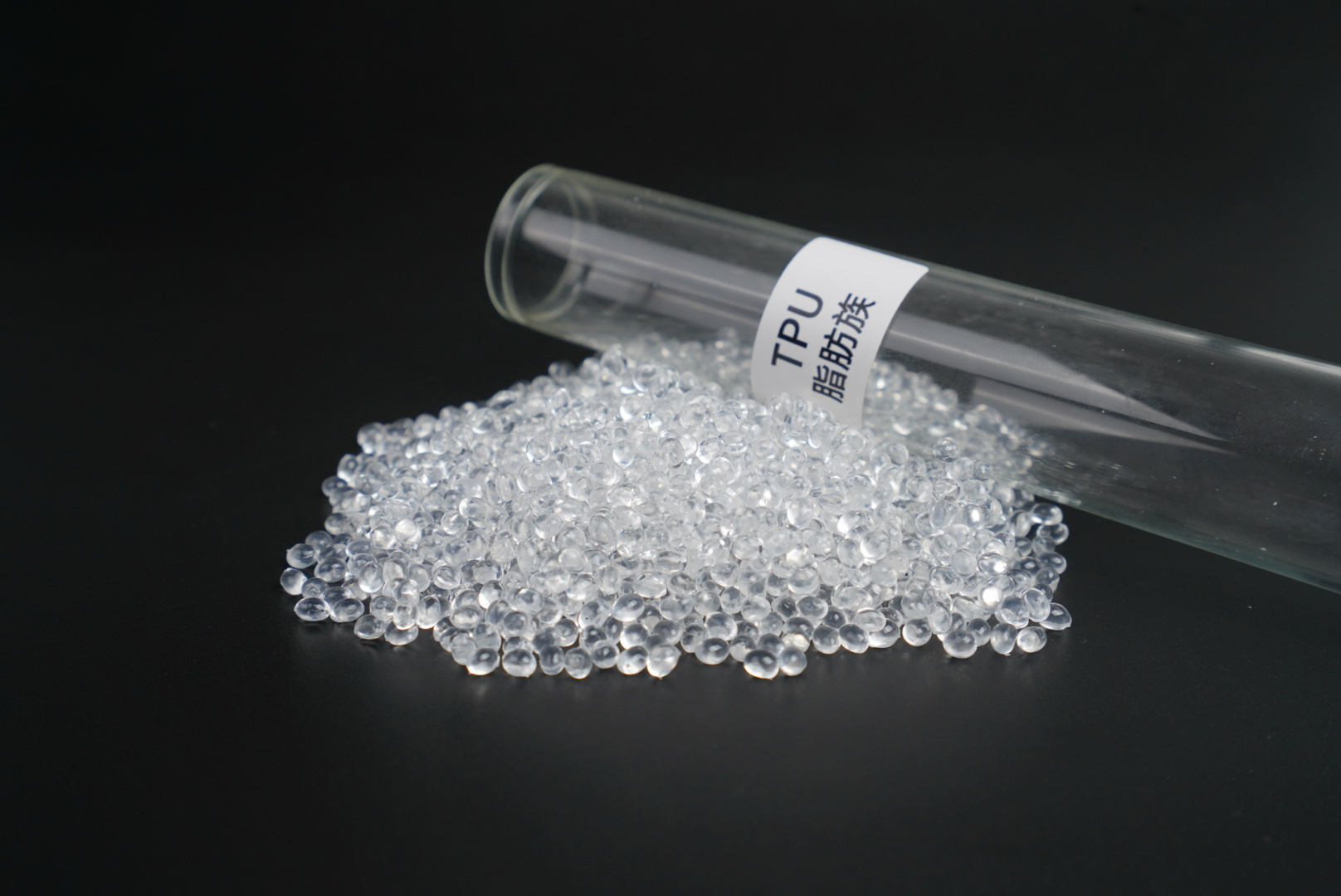
Therefore, although TPU itself is a high-performance material, choosing the wrong type still cannot avoid yellowing, and by using high-end aliphatic TPU, yellowing can be effectively avoided and ensure that the clothing maintains excellent physical and aesthetic properties for a long time.
3. High standard selection of time and new materials
As a professional automotive film production plant in China, Shihe New Materials has a large-scale high-end precision coating production line, and has built a thousand-level dust-free purification workshop with optical standards, a first-class R&D center, a high-standard slitting center, a high-standard storage center, and high-efficiency RTO exhaust gas treatment equipment and other hardware facilities. Always adhere to the use of the highest quality aliphatic TPU materials. We are committed to providing every product that effectively resists yellowing, maintaining transparency and protection, ensuring that consumers get the best product experience and long-lasting vehicle protection.


