Today, we will discuss the differences in the performance of polycaprolactone TPU and polyester TPU as raw materials through comparative research, hoping to help car owners in how to identify the quality of car clothing.
Introduction to TPU
TPU is a polyurethane thermoplastic elastomer, which is a polymer material formed by the joint reaction and polymerization of diisocyanate molecules such as methylene diphenyl diisocyanate (MDI) or toluene diisocyanate (TDI) and macromolecular polyols and low-molecular polyols (chain extenders).
TPU has excellent wear resistance, wide range of hardness, high mechanical strength, good elasticity, low temperature resistance, good oil resistance, chemical resistance and environmental resistance, which makes TPU widely used in many fields such as shoe materials, cables, clothing, automobiles, medicine and health, pipes, films and sheets, and is recognized as a new polymer material with green environmental protection and excellent performance.
The molecular chain of TPU is a linear structure of (AB)n-type block, where the soft segment A is a high molecular weight (1000-6000) polyester or polyether, and the hard segment is composed of isocyanate and BDO.
According to the different A structure, TPU can be divided into polyester type, polyether type, polycaprolactone type, polycarbonate type, etc.
Polycaprolactone type TPU VS polyester type TPU
Polyester polyol usually refers to polyester polyols obtained by polycondensation reaction of dicarboxylic acids and diols.
According to whether it contains benzene rings or not, it can be divided into aliphatic polyols and aromatic polyols. Aliphatic polyester polyols have excellent strength, abrasion resistance, adhesion, thermal stability, flexibility, elasticity, tear resistance, corrosion resistance and other characteristics, and can be used to produce polyurethane elastomers, PU resins, adhesives, inks, coatings, microporous soles and other products.
The ester group with strong covalent bond energy of polyester polyol can form hydrogen bonds with hard chain segments and play the role of elastic cross-linking point, but polyester is easy to be attacked by water molecules and breakage, and the acid generated by hydrolysis can further catalyze the hydrolysis of polyester.
Therefore, polyester TPU has excellent mechanical properties, wear resistance, tear resistance, chemical corrosion resistance, high temperature resistance, easy processing, etc., but has poor hydrolysis resistance.
Polycaprolactone (PCL) is an aliphatic linear polyester polyol, which is polymerized by caprolactone monomer, starter and catalyst through ring opening, which is very soft and has excellent stretchability.
Polycaprolactone polyols have the advantages of stable activity, low viscosity, controllable molecular weight distribution, narrow distribution, low acid value and water content, and have better hydrolysis resistance and low temperature flexibility than polyester polyols. Because of its excellent performance, PCL polyols have a wide range of applications, and the mainstream industrial applications using PCL as raw materials are polyurethane elastomers, coatings and adhesives.
TPU prepared with polycaprolactone polyols has excellent resilience, abrasion resistance, weather resistance, hydrolysis resistance and low-temperature flexibility.
Look for polycaprolactone TPU car coating film
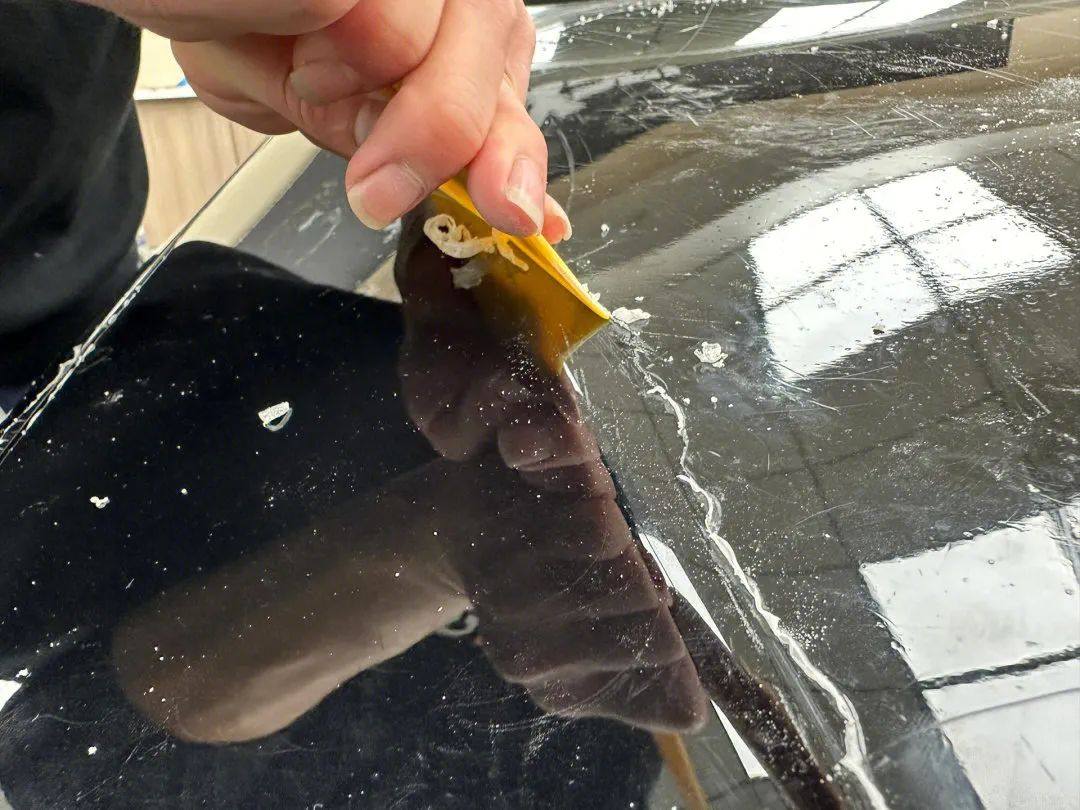
China's climate has significant monsoon characteristics, and it is generally hot and rainy in summer, and daily driving rain is unavoidable. The coating film made of polyester TPU is prone to hydrolysis due to its poor hydrolysis resistance, and the hydrolysis rate will be faster when the more rain, the higher the temperature, and the more the vehicle is parked in the open air. The hydrolyzed car coating is difficult to remove and needs to be removed little by little with a scraper or shovel, which will cause extremely serious irreversible damage to the original car paint.
There is no hydrolysis problem in the polycaprolactone TPU car coating film, and you must look for polycaprolactone TPU when purchasing.
From the production side, now experienced casting plants and coating factories will choose polycaprolactone aliphatic TPU particles, but due to the relatively low price of polyester TPU, individual manufacturers will use polyester TPU in order to reduce costs. Due to the complexity of TPU materials, it is difficult for end consumers to distinguish the type of TPU particles, so when choosing invisible clothing, car owners can try to choose big brands, confirm the type of substrate, check three things and one code, and confirm after-sales problems with stores to protect their own rights and interests.