Titanium nitride technology is an advanced material technology used in automotive window film manufacturing. The main component of this technology is titanium nitride (TiN), a material with superior properties that is widely used in a variety of fields, including metal tool coatings, electronic components and window film manufacturing.
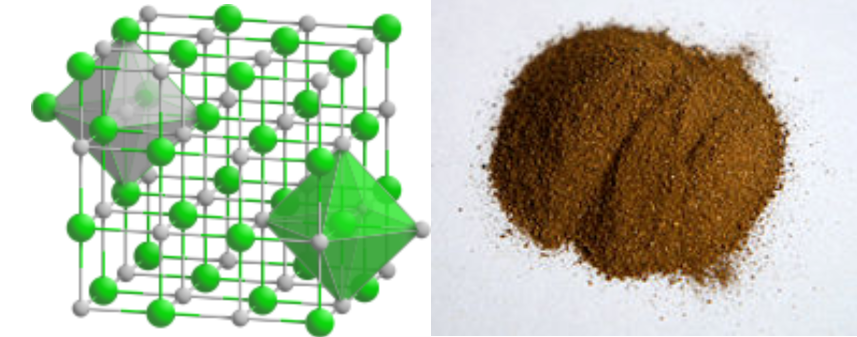
Titanium nitride is chemically stable at room temperature but will be corroded by hot concentrated acid and will be oxidized at 800°C under normal pressure. It has infrared (IR) reflection properties, and the reflection spectrum is similar to the spectrum of gold, so it is light yellow.
Depending on the substrate material and the surface finish of the substrate, the relative friction coefficient of titanium nitride is approximately 0.4-0.9 (without lubrication). Its typical crystal structure is sodium chloride type (the relative stoichiometry of the elements is about 1:1), and the thermodynamic stability coefficient x of the TiNx complex is 0.6-1.2.
The world's first super insulating material is also made of a titanium nitride film cooled to near absolute zero. Under these conditions, its resistance will rapidly increase to 100,000 times its previous value.
2. Application of titanium nitride in thermal insulation film
Based on nano-titanium nitride, the nano-ceramic film produced by the combination of magnetron sputtering technology and metal nitriding technology is not only durable and not easy to corrode, but also has the advantages of not blocking mobile phone signals and good heat dissipation. Product performance Largely superior to other types of car insulation films.
The earliest nano-ceramic insulation film is the amber optical nano-ceramic insulation film developed by the German Shaohua Technology Company in 2001, which is used in navigation, construction and automobile glass films.
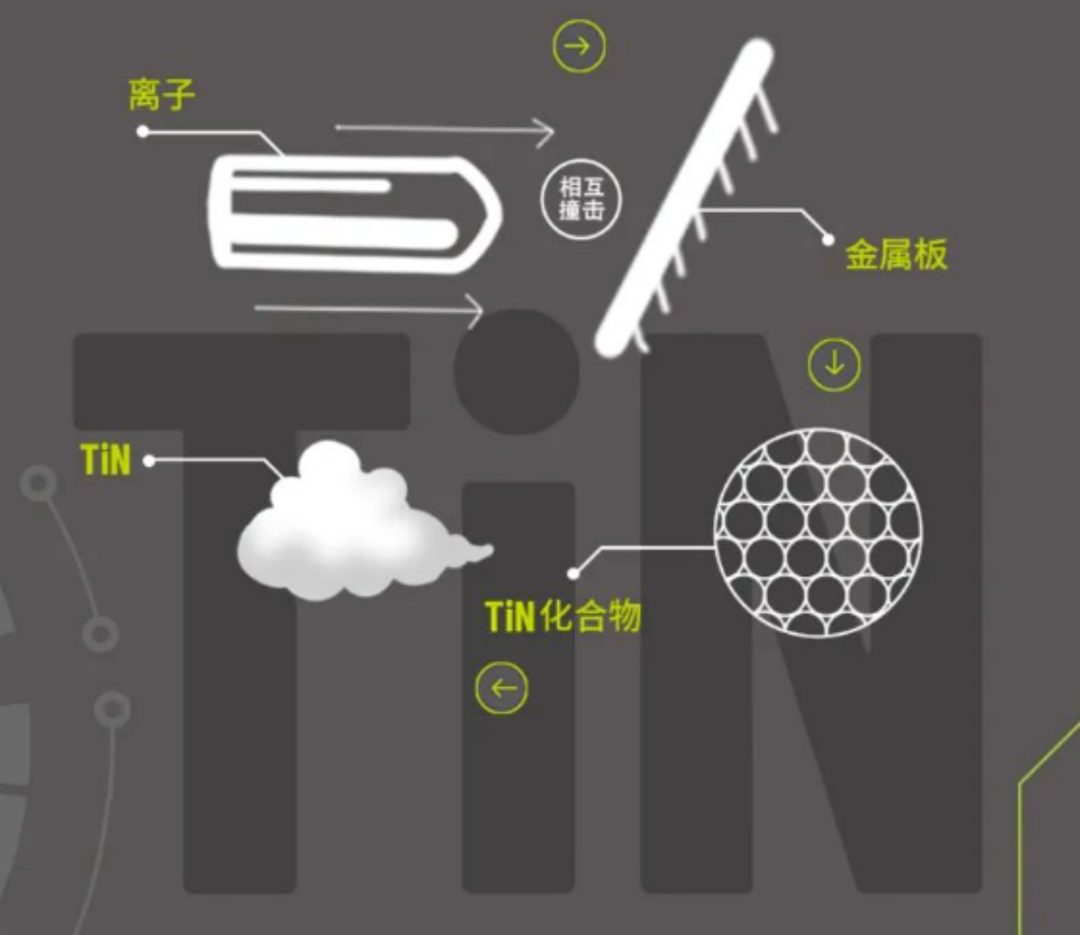 Titanium nitride magnetron sputtering technology, Amber Optics
Titanium nitride magnetron sputtering technology uses ions to hit the metal plate to eject the titanium nitride (TiN) compound, which slowly adheres to the film in the cavity like a mushroom cloud. The advantage is that it is uniform and dense, and its performance is stable and not easy to decay. But the production cost is higher. However, the vacuum aluminum plating process commonly used for ordinary window films has uneven distribution of materials and is prone to gaps. The cost is low and the quality of the finished product is average.
The application of titanium nitride on thermal insulation films has the following characteristics:
1. High transparency and thermal insulation: One of the key benefits of titanium nitride technology is its high transparency. While window film needs to provide privacy and UV protection, it still needs to be transparent enough to ensure good visibility and security. Titanium Nitride technology allows window films to achieve this balance, providing a highly transparent window film with superior thermal insulation properties.
2. Thermal insulation performance: Titanium nitride window film can effectively reflect and absorb solar heat, thereby reducing the temperature rise inside the car. This helps reduce the load on the air conditioning system, improves fuel efficiency, and provides a more comfortable driving experience. By using titanium nitride technology, window films can significantly reduce heat transfer inside your vehicle, making your interior cooler.
3. Durability: Titanium nitride technology also improves the durability of window films. This material is extremely durable and resists scratches and scuffs, extending the life of your window film. This is especially important for automotive window films, as they need to maintain performance in harsh weather conditions and everyday use.
4. Environmental protection: Titanium nitride technology usually uses environmentally friendly materials and production processes to reduce adverse impacts on the environment. This makes titanium nitride window film a sustainable option that meets modern society's requirements for environmental protection and sustainability.