Imagine being directly exposed to the scorching sun every day without applying sunscreen. The effects of UV rays may not be noticeable at first, but years later, the damage it can do to your skin can become an absolute nightmare.
Likewise, car paint requires a protective layer to protect its color and quality from harsh weather conditions, contaminants, debris, etc. PPF, also known as paint protection film, is an essential external barrier for cars, similar to the effect of sunscreen on the skin. But with so many PPF solutions on the market, how do you choose the one that meets your needs?
What is a good PPF solution?
One of the main purposes of PPF is to protect the car body from damage. However, the composition of the film used in the PPF solution may have an impact on its performance. This includes film selection and thickness, adhesive selection and installation method.
Although there are a variety of film materials used in the PPF market, the more commonly used materials include polyvinyl chloride (PVC), thermoplastic polyvinyl chloride (TPH) and thermoplastic polyurethane (TPU).
Polyurethane is made from an extremely adaptable structure, with elastomers in the film becoming more pliable when exposed to heat, allowing it to expand and return to its original position or "heal." Therefore, TPU film has excellent tensile strength (stretchability) and good load-bearing capacity, and has autonomous repair function.
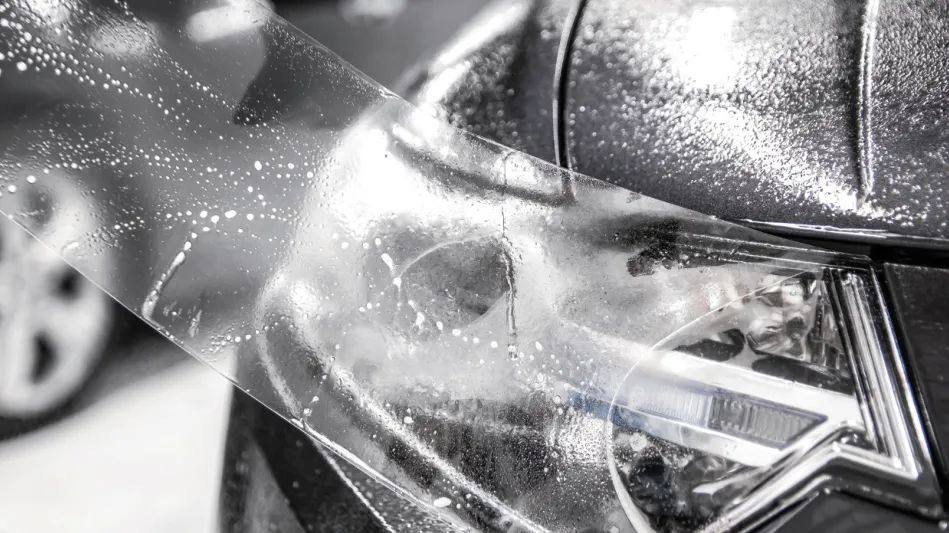
However, a good PPF solution depends on more than just the film material. The adhesive used in PPF also plays a vital role.
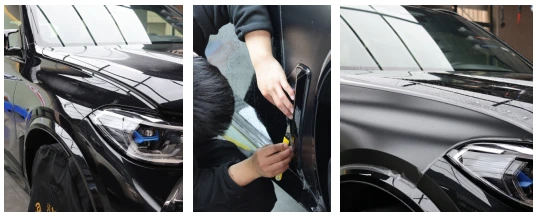
- AROSET™ Series -
Bostik's AROSET™ range is a range of solvent-based acrylic adhesive solutions for the automotive market. This series is primarily targeted at markets where signage and specialty films (such as PPF) are critical to protecting medical equipment, automobiles, aircraft, furniture, high-speed rail, wind turbine blades, etc. Aroset™ is not only durable and performs well, it's also easy to apply and remove. The Aroset™ range of solutions offers high bond strength, ensuring seamless bonding of PPF, while also providing high peel strength so the paint layer is not damaged during removal.
Our AROSET™ solutions are resistant to UV rays, chemicals, scratches or abrasions. This prevents premature fading and preserves the paint's original color. These smart adhesives are also compatible with faster production line speeds, which can increase productivity by reducing the energy and materials required throughout the application process (drying process, solvent usage, shipping, transportation and packaging).
- AROSET™ 951059 -
AROSET™ 951059 is a solvent-based acrylic pressure-sensitive adhesive (PSA) that is very easy to apply and remove without leaving any adhesive residue due to its low initial tack. This industry-leading adhesive is suitable for high-grade thermoplastic polyurethane (TPU) films-the industry's next generation of paint protection films.
- AROSET™ 951070 -
AROSET™ 951070 is a new solvent-based acrylic pressure-sensitive adhesive (PSA) engineered from functional monomers and proprietary polymers with high solids content (48-52%) and no CMR substances. It also has excellent application properties and good resistance to plasticizer migration.
Material thickness
Another important factor to consider when evaluating the quality of a PPF solution is the thickness of the PPF material. Thicker materials provide greater protection but may cause greater difficulty in application during the cladding process, especially around the edges and corners of the car.
Therefore, the key lies in finding the right ratio of material thickness and mass, as well as the technician's installation skills. The recommended thickness of PPF is around 8 mils.