south
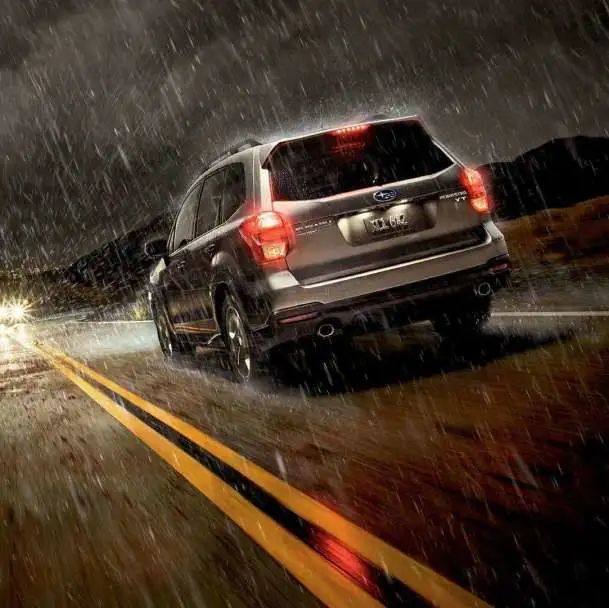

Although the winter temperature in the south is not as low as in the north, it is often cloudy and rainy, resulting in heavy humidity. Many northerners have never had such an experience:
The ceramic tiles and floor tiles are all covered with water beads;
The clothes hung out two days ago are not yet dry;
Cotton-padded jackets are useless because they are full of water vapor;
The problem is actually not the cold but the tide...
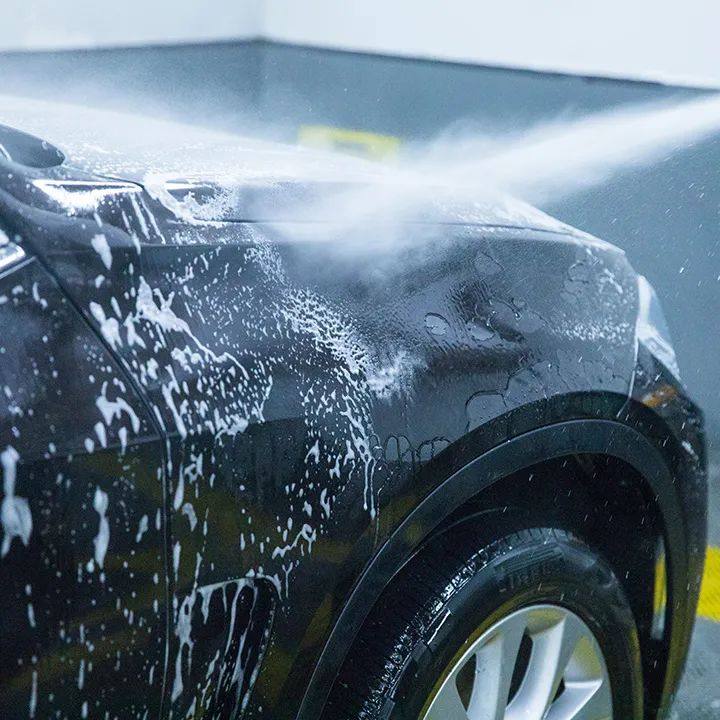
The southern region has wet and cold winters, and car paint will inevitably be attacked by smog and acid rain. Corrosive substances adhere to the paint surface and will cause irreversible erosion. If the paint and protective layer on the exterior of the car body peels off, it will be more likely to rust in humid weather. Therefore, it is recommended to wash your car promptly after rain.
In addition, the southern region has heavy humidity in winter, so vehicles should not be parked in underground garages for long periods of time. Underground garages have poor ventilation and greater moisture, which can easily cause the paint to age and discolor.
north
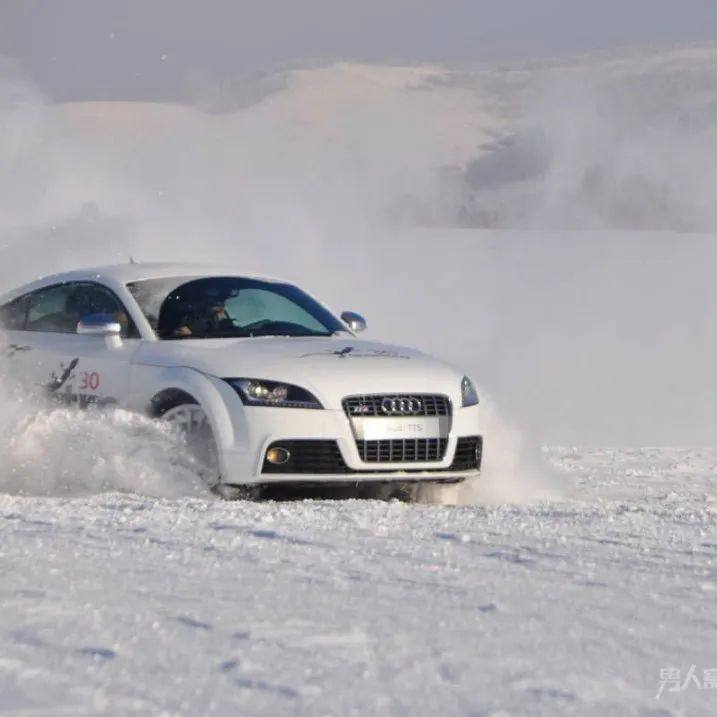
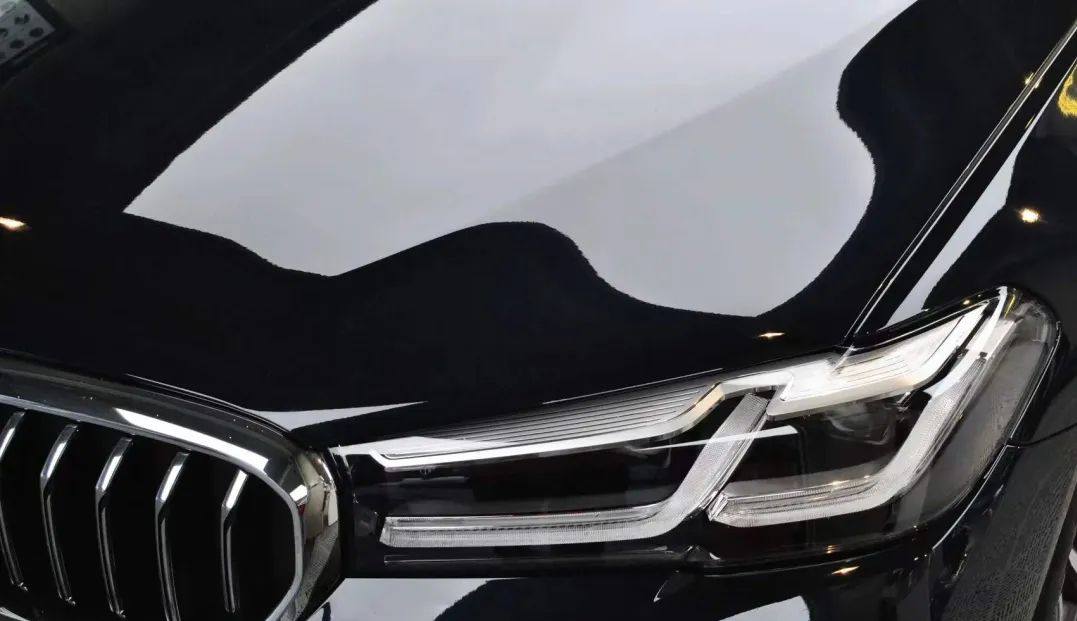

In the north, the temperature is low and dry in winter, the air is thin, and the "protective coat" of the ozone layer is lacking. Ultraviolet rays take advantage of this and cause damage to car paint.
The snowy weather in northern winter is also a severe test. The car should be washed as soon as possible after driving in snow. Snowflakes absorb some acidic, alkaline and corrosive substances in the air, which not only easily cause the protective layer of car paint to crack, but also corrode the car paint and affect the overall appearance. The remaining snowmelt on the car body will also corrode the car paint. After snowfall, the snow on the car body should be cleared away and the car body should be cleaned in time to prevent the car paint from being corroded. It is recommended to wash the car with warm water in winter, otherwise cold water will easily freeze when covering the car surface, causing damage to the car's paint.