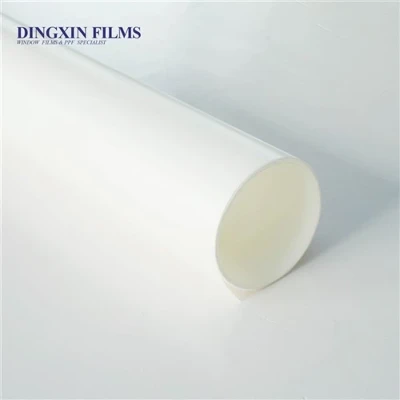
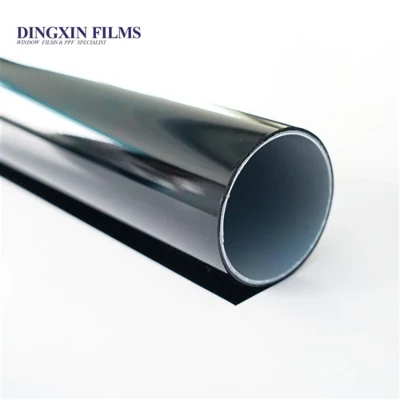
Paint Protection Film (PPF) and Ceramic Coating are two of the most popular options for preserving a vehicle's exterior, but they serve different purposes and offer distinct benefits.
Key Differences
- Material & Thickness:
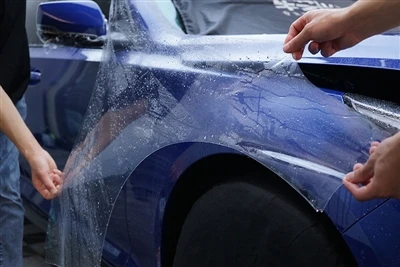
PPF is a thick, clear polyurethane film applied directly to the vehicle's surface. It provides physical protection against rock chips, scratches, and road debris.
Ceramic coating, on the other hand, is a liquid polymer that bonds chemically with the paint. It adds a glossy finish and enhances resistance to dirt, water, and UV rays, but it does not protect against physical impacts.
- Protection Focus:
PPF offers impact resistance and acts as a physical shield.
Ceramic coating offers chemical resistance and makes cleaning easier due to its hydrophobic properties.
- Appearance:
PPF can be either gloss or matte, and is nearly invisible when installed correctly.
Ceramic coating enhances paint depth and shine but doesn't alter texture.
Can They Be Used Together?
Yes - and in fact, they complement each other well. Applying ceramic coating on top of PPF provides both physical and chemical protection. The coating also helps keep the PPF cleaner and makes maintenance easier.
Conclusion
PPF and ceramic coating are not competitors - they serve different functions. For maximum protection and aesthetic benefit, combining both gives you the best of both worlds: durability from PPF and shine from ceramic coating.