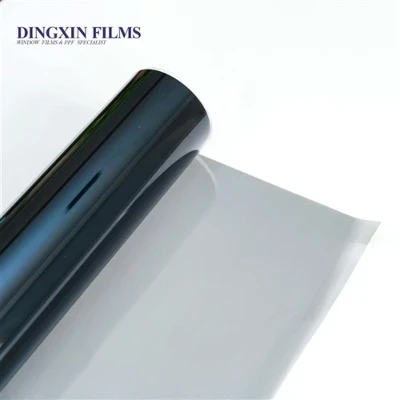
Car paint protection film (PPF) is an essential solution for keeping your vehicle's paint in pristine condition. It acts as a shield against scratches, rock chips, dirt, and UV rays. However, over time, the effectiveness of the film may diminish, requiring a reapplication. Here are the key signs to help you determine if it's time to replace or reapply your car's PPF.
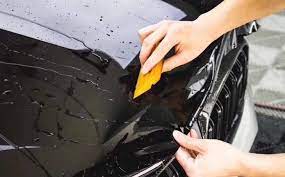
1. Visible Damage to the Film
While PPF is designed to be durable, it can suffer from visible damage over time. If you notice deep scratches, cuts, or peeling edges, it could indicate that the film has been compromised. Even if the damage is minor, it may be a good idea to replace the affected sections to maintain the overall protection.
2. Yellowing or Discoloration
A common sign of aging in PPF is yellowing or discoloration, which typically occurs due to prolonged exposure to UV rays. This not only affects the aesthetic appeal of your car but can also reduce the effectiveness of the protection. If the film has turned yellow or is showing signs of fading, it's time for a replacement.
3. Loss of Hydrophobic Properties
One of the major benefits of PPF is its hydrophobic (water-repellent) feature, which helps in keeping your car clean by repelling water and preventing dirt buildup. If you notice that water no longer beads off the surface and instead stays stagnant or leaves streaks, it's a sign that the protective layer is deteriorating and needs to be replaced.
4. Edges Lifting or Peeling
Over time, the edges of the paint protection film may begin to lift or peel, especially if it was not properly installed or exposed to extreme weather conditions. This can lead to dirt and grime getting trapped underneath the film, which can cause further damage to the paint. If the edges are lifting, it's time to get the film replaced or re-applied.
5. Increased Scratches or Chips
PPF is designed to protect your car's paint from minor scratches and chips. If you start noticing an increase in the number of imperfections, this could be an indication that the film is no longer providing the same level of protection it once did. If the protection film is not functioning as intended, a reapplication will restore your car's defense.
6. Aging of the Vehicle
If your vehicle is older and the PPF has been in place for several years, it's natural for the film to degrade. As with any protective coating, wear and tear over time is inevitable. If your car's PPF has been on for more than five years, it may be time to replace it, even if it still looks good on the surface.
7. Difficulty in Cleaning
If you find that the film is becoming harder to clean or the dirt is sticking more than usual, it could mean that the PPF's protective coating has worn off. This may result in less protection and a higher likelihood of damage to the paint. In such cases, reapplication will restore the ease of cleaning and maintain optimal protection.
Conclusion
Car paint protection film is a great investment to protect your vehicle's appearance and value, but it does require periodic checks to ensure it's still performing its job. By keeping an eye on the signs above, you can determine whether it's time for a reapplication. Regular maintenance and timely replacement will ensure your car continues to look brand new for years to come.