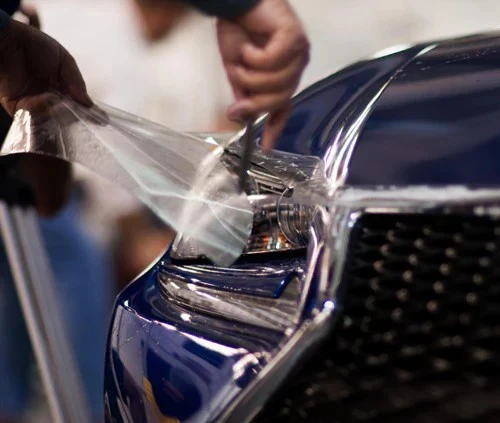
The lifespan of car paint protection film (PPF) typically ranges from 5 to 10 years, depending on several factors:
- Film Quality: High-quality films from brands like XPEL, 3M, or SunTek can last closer to 10 years or more with proper care. Lower-quality films might start showing wear and tear earlier.
- Maintenance: Regular cleaning and care can extend the lifespan of PPF. Avoiding harsh chemicals, using soft cloths or mitts when washing, and regularly applying a topcoat or maintenance layer will help maintain the film's appearance and durability.
- Exposure to the Elements: If your car is exposed to extreme weather conditions (e.g., intense sunlight, heavy rain, snow, or frequent washing), the film might degrade faster. UV rays, in particular, can cause some films to yellow or degrade over time, though premium films are designed to resist this.
- Installation Quality: Professional installation usually ensures the film is applied correctly, which can extend its longevity. Poor installation, with improper sealing or stretching, can lead to lifting or early wear.
- Self-Healing Features: Some higher-end PPFs have self-healing properties, meaning minor scratches or swirl marks will fade when exposed to heat (like from the sun or hot water). This feature can help the film stay looking newer for longer.
With proper care and a good-quality film, you can expect your PPF to perform well for many years before needing replacement. Even after its lifespan, the film may still offer some protection, but its effectiveness in terms of appearance and resilience could decrease.