Car window tinting is a popular modification among vehicle owners due to its aesthetic, protective, and functional benefits. However, many drivers wonder whether window tints will fade or deteriorate over time. This concern is valid, as all materials undergo wear and tear, but the degree to which a tint film ages depends on several factors. Here's a deeper look into whether car window tints fade or age and what you can do to ensure longevity.
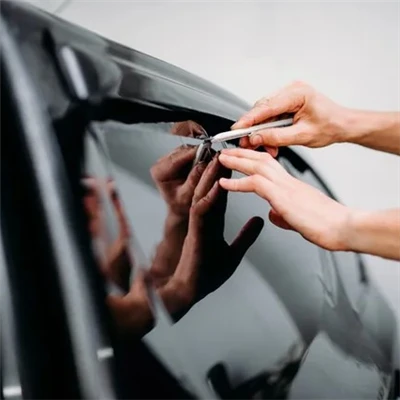
1. Quality of the Window Film
The primary factor determining whether a tint will fade or degrade is the quality of the film itself. There are different types of window films, each with varying levels of durability:
- Dyed Films: These are the most basic and affordable tints. While they offer privacy and UV protection, dyed films tend to fade more quickly than other types, especially when exposed to prolonged sunlight. Over time, the color can degrade, leading to a lighter and less effective tint.
- Metalized Films: These films have a metal layer that enhances heat rejection and adds durability. However, the metal layer can sometimes cause fading or discoloration after several years of exposure to UV rays. Additionally, metalized films may interfere with electronic signals (e.g., GPS, radio), which can be a downside.
- Carbon Films: Carbon window films provide excellent UV and heat protection and are more durable than dyed films. They are less likely to fade or change color over time, offering long-lasting performance without significant aging.
- Ceramic Films: These are the highest-quality window films on the market. Ceramic films offer superior heat and UV protection, and they are highly resistant to fading and aging. They are made using advanced technology that ensures color stability over time. Ceramic films are ideal for long-term durability and optimal performance.
2. Exposure to UV Rays
The primary cause of fading in window films is prolonged exposure to UV rays. The sun's ultraviolet radiation breaks down the tint film's dye or material, causing it to lose its color and effectiveness. However, high-quality window films that block a significant amount of UV rays (up to 99%) are designed to resist this degradation. Cheaper tints, which offer lower UV protection, will fade more quickly under constant sun exposure.
3. Environmental Factors
In addition to UV exposure, environmental factors such as heat, humidity, and pollution can contribute to the aging of window tints. Cars that are frequently exposed to extreme temperatures or parked in areas with high levels of dust and contaminants may experience faster degradation. Regular cleaning and maintenance can help extend the life of the tint film.
4. Care and Maintenance
Proper care can significantly reduce the risk of tint fading or aging prematurely. To maintain the appearance and effectiveness of your window film, avoid using harsh chemicals or abrasive tools when cleaning your windows. It's recommended to use a gentle, non-ammonia-based cleaner and a soft cloth or microfiber towel.
Also, avoid rolling down the windows for at least 24 to 48 hours after installation to allow the film to properly adhere to the glass. This helps prevent air bubbles or peeling, which can accelerate the aging process.
5. The Role of Professional Installation
Having your window tint professionally installed is crucial to ensuring long-term durability. Improper installation can result in bubbling, peeling, and premature aging of the film. Professional installers have the experience and knowledge to apply the film correctly, ensuring optimal performance and longevity.
Conclusion
While all window films may eventually show signs of aging, high-quality tints made from carbon or ceramic materials are much more resistant to fading than cheaper dyed films. With proper care and maintenance, a well-installed window tint can last for many years without significant discoloration. If you're concerned about longevity, opt for a high-performance film and ensure professional installation to maximize the durability of your tint.