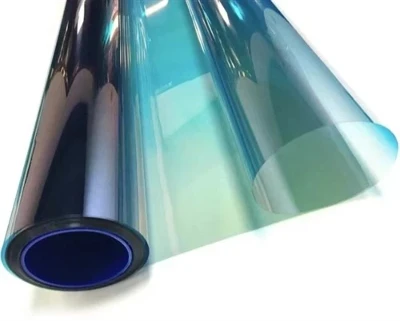
Paint protection film Paint protection film, the English name is Paint protection film (abbreviated as PPF, commonly known as invisible car clothing, also known as car transparent protective film or car body film) , as an emerging product in the automotive aftermarket, it is known as an effective protection of original materials. The ultimate in factory car paint!
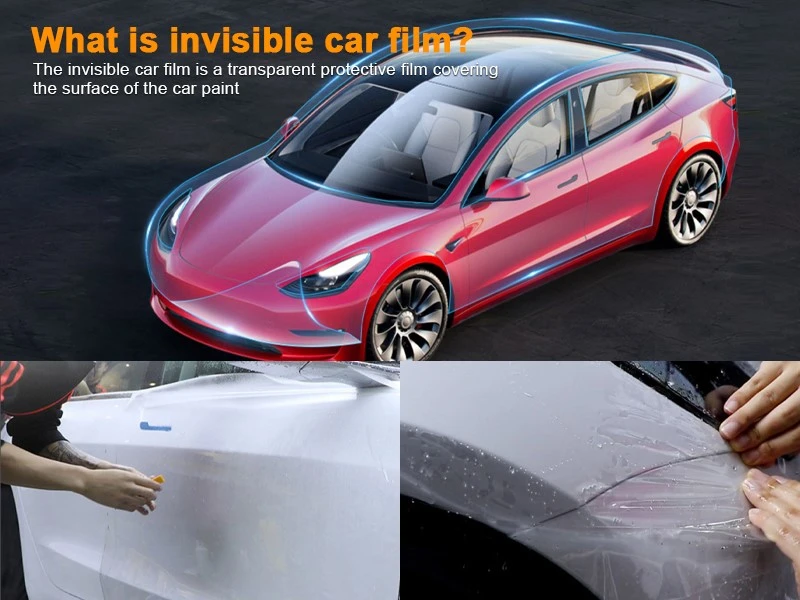
This article will describe the color-changing film from four aspects: application history, process evolution, product status, and future trends.
1. Application process of paint protection film:
In fact, the original paint protection film was not called paint protection film or invisible car cover, but "rhino leather". Like many other consumer products, paint protection film was originally developed and used by the military.
In the 1960s, during the Vietnam War, helicopter rotor blades and other sensitive parts of military transport were frequently damaged by shrapnel and debris. In order to protect these moving parts, the military solved this problem by attaching a protective film of thermoplastic polyurethane material to the rotor blades without affecting performance.
In the 1970s, rhinoceros leather protective film was used to protect the paint on the radome of US military stealth fighter jets.
In the 1990s, automotive rhinoceros leather began to be used for civilian use. Automobile rhinoceros leather was used in automobile rally events, formula racing and other automobile competition events to protect sponsor logos, so that the integrity of the car body logos could be ensured in the event of a collision.
Nowadays, paint protection film is commonly used in the field of family cars.
Paint protective film is the darling of the times. It has a short development history and is undergoing transformation in expanding its applications.
2. The process of paint protection film changes according to its application fields:
Military industry: focus on large curvature construction, high weather resistance, high adhesive force, high cohesion, large thickness and other properties.
Automotive field: focus on properties such as high weather resistance, high cohesion, no adhesive residue, resistance to rain spots, self-healing, and long-lasting brightness.
New energy field: focus on high weather resistance, high adhesive force, high cohesion, acid and alkali resistance and other properties.
3. Product status
Market status: Domestic paint protection films account for 86% of the domestic market volume and 60% of total sales.
Quality status: The starting point is the same as that of foreign products. It started with high quality and high performance, but due to vicious price competition, it quickly moved towards the development track of window film.
Technical status: The finished product manufacturing technology is basically equal to that of foreign countries, but the supply of good raw materials is limited.
Technical barriers: Adhering to product stability is the only technical barrier to paint protection films.
4. Future trends:
Technology trends: further improving anti-fouling and self-cleaning functions, and the development of amphiphilic copolymer coatings
Quality trend: good weather resistance (≥5 years), moderate elastic modulus (360~450 except for 9.5mil thickness), excellent resistance to rain spots and carburetor cleaning agents.
Market trend: incremental market, but not optimistic about its development.